
Aluminum vs Stainless Steel in CNC Machining
Time : Mar 13, 2026 View : 40
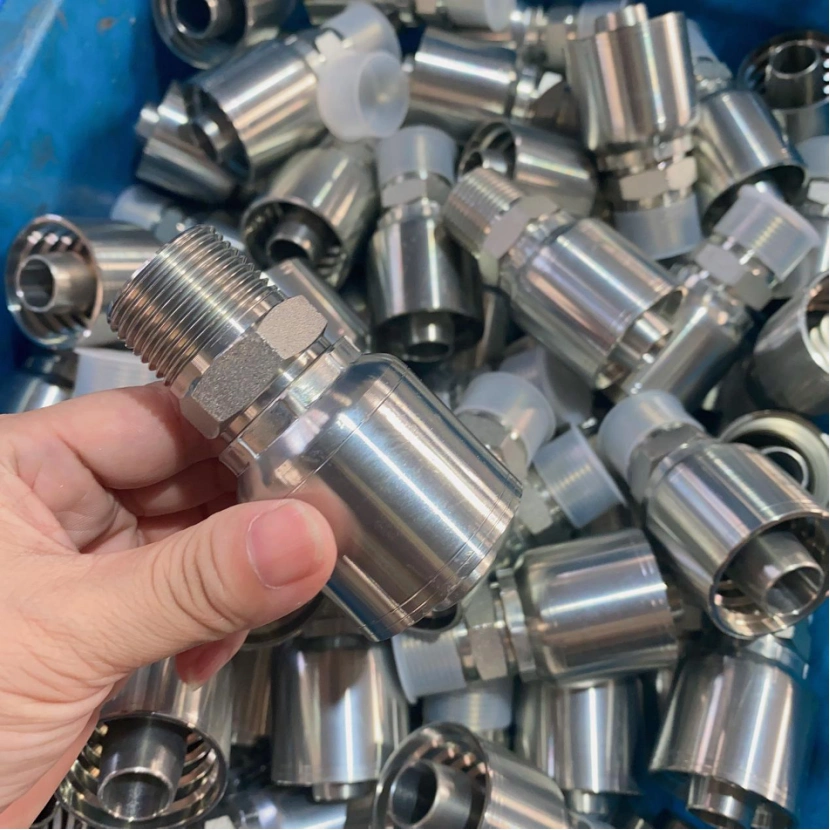
When engineers debate between aluminum and stainless steel for CNC machining, the decision often comes down to balancing machinability, strength, and cost. Aluminum gives lightness and quick processing. Stainless steel brings strong durability and good resistance to rust. The best pick depends fully on what the job needs and the setup where it’s made.
Comparing Aluminum and Stainless Steel in CNC Machining
Machinability of Aluminum vs. Stainless Steel
Aluminum gets praise for its fine machinability. It cuts with ease. It causes little wear on tools. Plus, it lets spindles run at higher speeds. This cuts down cycle times. On the other hand, stainless steel’s toughness and habit of getting harder during work make it tougher to machine. So, it needs slower feed rates. It also calls for sturdy tools and good cooling to keep things precise.
A few main factors affect machinability:
- Material hardness and ductility
- Heat conductivity during cutting
- Chip formation characteristics
- Tool material compatibility
Aluminum works faster. It wears tools less. As a result, it boosts production speed and lowers costs per piece. Machining stainless steel means more tool swaps and higher energy use. This raises making costs. But it gives parts with better strength.
Core Properties of Aluminum and Stainless Steel
These two materials show big differences in basic traits:
| Property | Aluminum | Stainless Steel |
| Density | ~2.7 g/cm³ | ~8.0 g/cm³ |
| Tensile Strength | 90–400 MPa | 520–1300 MPa |
| Corrosion Resistance | Moderate | Excellent |
| Thermal Conductivity | High (~205 W/m·K) | Low (~16 W/m·K) |
| Electrical Conductivity | High | Low |
Aluminum’s light weight suits jobs where mass counts, like in planes or car parts. Stainless steel’s power and rust proof nature make it key for medical tools or sea settings. There, parts must hold up under pressure.
Heat treatment means a special way to boost the hardness of a workpiece. This idea fits when improving stainless steel traits after machining. It helps with wear resistance or hardness.
Selecting the Right Material for CNC Machining
Application Specific Considerations
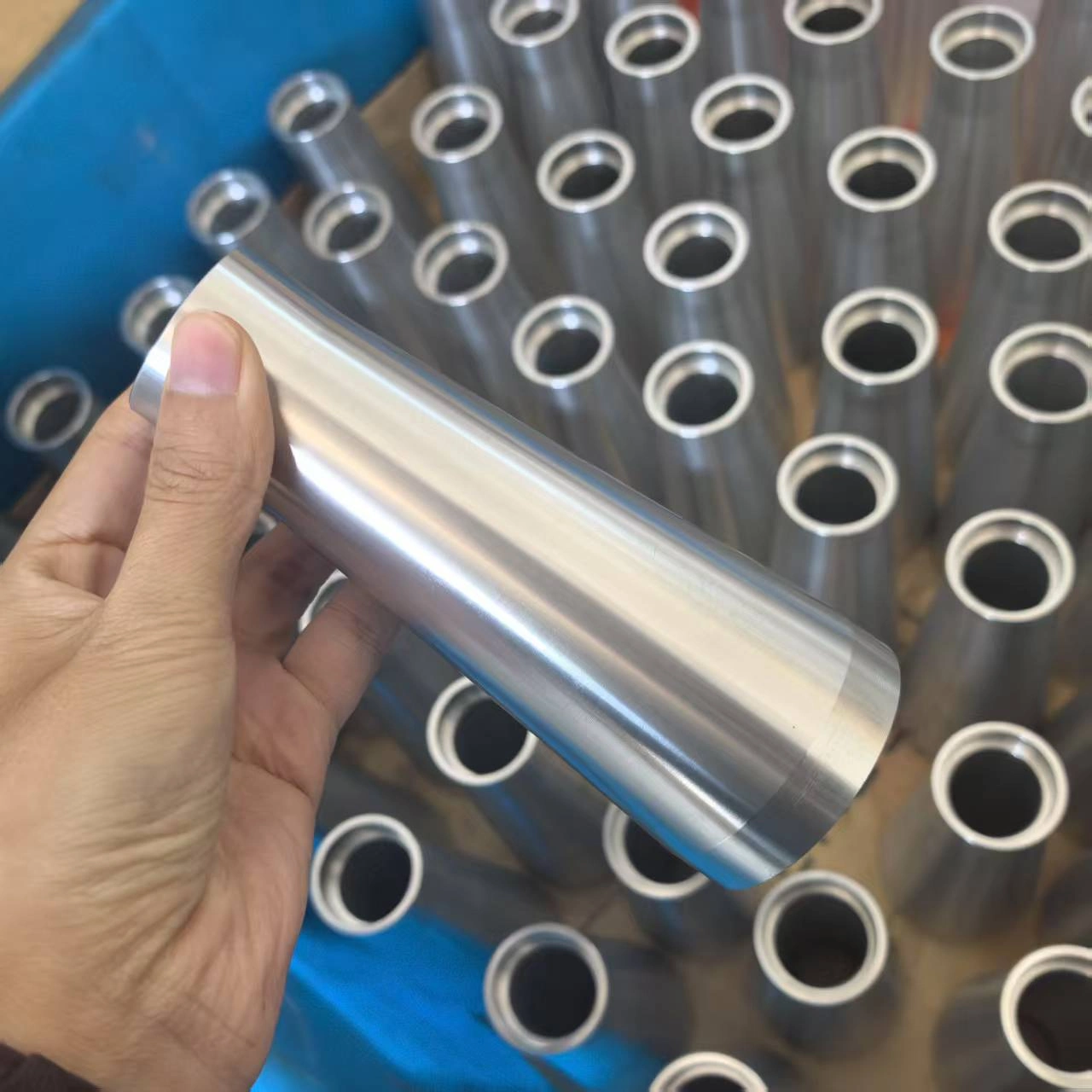
Picking between aluminum and stainless steel relies on how things work in real use:
- Load bearing requirements — stainless steel does well with heavy loads.
- Corrosive environments — stainless steel fights rust better.
- Weight sensitivity — aluminum wins when light design is key.
- Thermal management — aluminum’s good heat flow helps shed warmth.
For instance, plane parts often use aluminum CNC machining. Why? Its strength per weight is great. Food gear picks stainless steel for clean upkeep and rust shield.
Common Uses of CNC Machining Materials
Usual jobs include:
Aluminum: drone frames, automotive housings, electronic enclosures
Stainless Steel: surgical instruments, pump shafts, marine fasteners
Thin plate components see wide use. Thin plates bring these perks:
(1) They bend easy. So, simple methods make many kinds of parts.
(2) Thin plate components weigh little.
(3) They need small machining. The plate face has good quality. Thickness stays tight. Thus, no more work on the surface.
These perks show why thin aluminum sheets fit light CNC parts. They need little finish work.
Decision Making: Aluminum or Stainless Steel?
Advantages and Disadvantages of Each Material
Aluminum Pros:
- Lightweight
- Excellent machinability
- Good thermal/electrical conductivity
- Cost effective
Aluminum Cons:
- Lower strength compared to steels
- Susceptible to scratches
- Requires surface treatment for corrosion protection
Stainless Steel Pros:
- High tensile strength
- Superior corrosion resistance
- Excellent durability under extreme conditions
Stainless Steel Cons:
- Harder to machine
- Higher cost per unit weight
- Greater tool wear
Deshibo’s engineers often balance these trade-offs by combining materials within assemblies—using aluminum for structure and stainless inserts where wear resistance is needed.
Situational Recommendations for Material Choice
Use aluminum when:
- Weight reduction is critical (e.g., aerospace frames)
- Heat dissipation matters (e.g., electronic housings)
- Production volume is high requiring shorter cycle times
Use stainless steel when:
- The environment involves moisture or chemicals
- Mechanical loads are substantial
- Long term structural stability is required
CNC Machining Challenges with Stainless Steel
Specific Challenges When Machining Stainless Steel
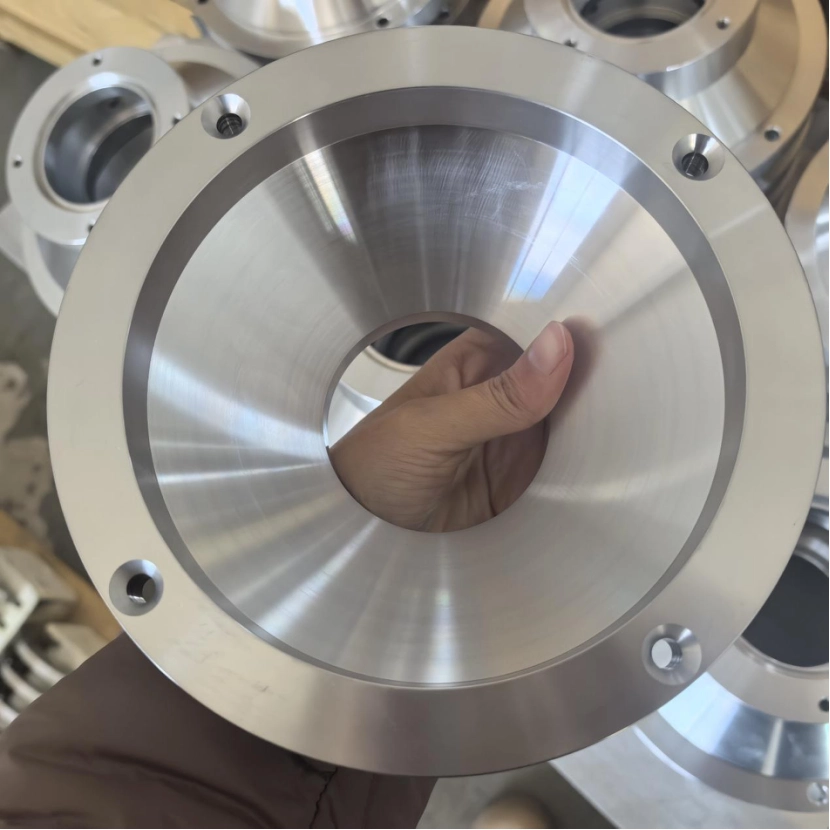
Stainless steel hardens quick during cuts. This work hardening bumps up cutting power. It leads to too much tool wear. Its poor heat flow keeps warmth close to the cut spot. That can bend parts. Or it worsens the surface look.
Tool care turns into a big issue. Often, sharpening or swaps add stop time. Machines must stay firm too. This stops shakes from bad cuts.
Deburring refers to the process of removing burrs from a workpiece during sheet metal processing using tools such as grinders and files, resulting in a smooth and flat finish. This step becomes especially important after machining stainless components since burr formation is more pronounced due to its toughness.
Effective Strategies for Machining Stainless Steel
Smart ways include:
- Using carbide or coated tools designed for heat resistance
- Applying continuous coolant flow to dissipate heat
- Reducing feed rates while maintaining consistent cutting depth
- Avoiding tool dwell time that promotes work hardening
Right settings keep sizes exact. They don’t harm surface quality. Some places use extra steps like polishing or passivation. It’s like polishing. This gets the best on stainless faces.
When deciding between aluminum and stainless steel for your CNC machining projects, it’s essential to choose the right material based on strength, durability, and machinability. At Deshibo, we specialize in custom metal manufacturing services including CNC machining, laser cutting, bending, welding, and more. Whether you need lightweight aluminum parts or the strength of stainless steel, our engineers are ready to help you find the optimal solution for your needs. Contact us today to discuss your project and get a tailored solution for your machining requirements.
FAQs
Q: Which material machines faster in CNC operations?
Aluminum machines significantly faster due to its softness and better chip evacuation properties.
Q: Is stainless steel always stronger than aluminum?
Yes, generally it offers higher tensile strength but at the cost of greater density.
Q: Can both materials be anodized?
Only aluminum can be anodized effectively; stainless relies on passivation instead.
Q: What’s the main factor driving cost difference?
Machinability—aluminum’s ease of processing reduces labor time while stainless increases tooling costs due to wear.
